The safest neighborhoods in San Diego are consistently areas like Rancho Bernardo, Carmel Valley, Poway, Del Mar, and Scripps Ranch based on crime index trends, suburban planning, and long-term community investment.
Rancho Bernardo continues attracting retirees and families partly because it feels quieter and more insulated than many central San Diego neighborhoods. Lower-density housing, master-planned sections, and long-term ownership patterns all contribute to its reputation for stability.
Carmel Valley remains one of the strongest choices for buyers prioritizing both schools and safety. The area benefits from newer development, strong community investment, and consistently high buyer demand from families planning to stay long term.
Poway has maintained its reputation for decades because buyers know exactly what they are getting: strong schools, larger homes, quieter streets, and a more suburban environment overall. Buyers looking for nightlife usually look elsewhere. Families often see that as a positive.
Del Mar consistently ranks highly because of both low density and substantial long-term investment throughout the community. Even though it is one of the wealthier coastal markets, buyers still need to research specific streets and traffic corridors because conditions vary more than broad rankings suggest.
Scripps Ranch continues performing well because of its residential layout, parks, trails, and quieter overall atmosphere. Buyers wanting a calmer pace without leaving central San Diego entirely often land there.
That said, buyers should always research individual pockets instead of relying purely on neighborhood-wide reputation. A single zip code can change dramatically block by block.
The reality of affordable neighborhoods in San Diego is that affordability has become relative. Buyers are no longer asking, “What’s cheap?” They are asking, “Where can I still buy without feeling financially trapped?”
Mira Mesa continues outperforming expectations because of its location near major biotech and tech employment corridors. Buyers get relatively strong value compared to neighboring communities, and demand stays consistent from both owner-occupants and investors. Homes there rarely feel “undervalued,” but they often feel practical.
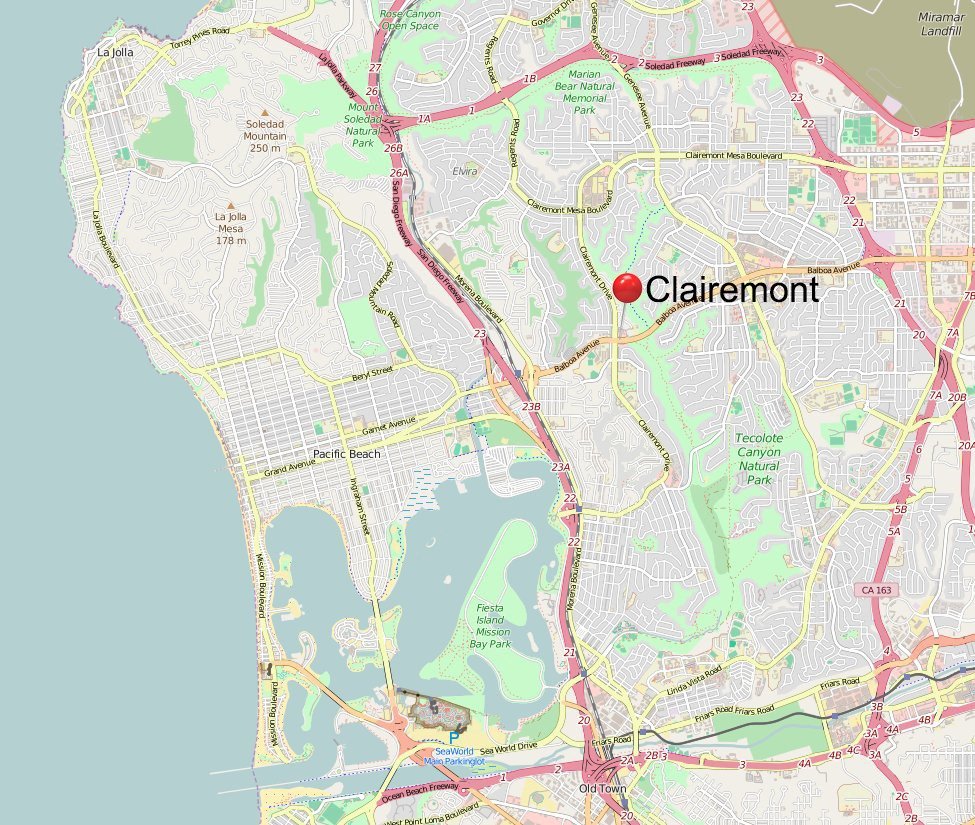
Clairemont remains one of the better balance plays in San Diego. Buyers get central location access without fully paying coastal premiums. The neighborhood has steadily improved over the last decade, and renovated homes continue pushing values upward.
Encanto and City Heights attract buyers looking for lower entry pricing closer to the urban core. These neighborhoods vary significantly block by block, so local guidance matters more here than in highly uniform suburban communities.
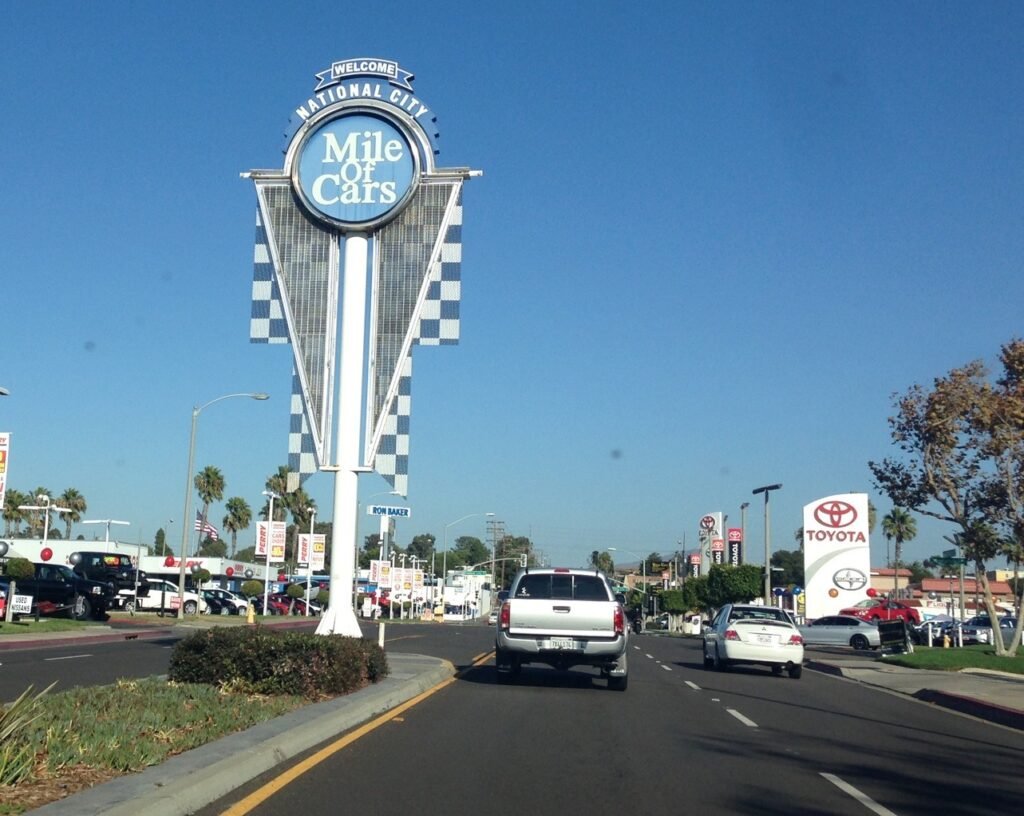
National City continues pulling in first-time buyers who want access to downtown employment while staying below many central San Diego price points. Community investment and redevelopment activity have steadily improved buyer perception over the last several years.
Lemon Grove and the Rancho area in San Diego continue attracting buyers prioritizing square footage and ownership access over trendier zip codes. Buyers usually gain more home for the money, though commute distance becomes a more serious factor.
If you’re buying in one of these areas, it also helps to understand which neighborhoods are quietly appreciating instead of simply following the loudest market trends.
The smartest buyers in 2026 are not just asking where they want to live. They are asking which neighborhoods still have room to grow.
Mira Mesa continues standing out because of its proximity to biotech employment hubs, stable buyer demand, and relatively balanced price-per-square-foot value compared to neighboring communities. Buyers there are usually thinking long term rather than chasing hype.
Kearny Mesa keeps gaining attention because infrastructure investment and redevelopment activity continue pushing the area toward more mixed residential and commercial growth. Buyers looking five to ten years ahead are paying attention there for a reason.
Logan Heights and Barrio Logan remain more speculative plays, but buyer interest keeps growing because pricing still sits below many surrounding neighborhoods while redevelopment activity steadily increases. These are not “safe” investment neighborhoods in the traditional sense, but they continue attracting buyers willing to tolerate more uncertainty for stronger upside potential.
Chula Vista, particularly Otay Ranch, continues performing well because buyers still gain relatively newer homes and more square footage there compared to many central neighborhoods. Families priced out of coastal and North County markets continue driving long-term demand.
For buyers searching the best neighborhoods in San Diego to buy a house, the strongest long-term opportunities are usually neighborhoods balancing:
Ready to search listings in these areas? Explore homes for sale in San Diego and compare neighborhoods based on pricing, inventory, commute patterns, and long-term value.
San Diego has a neighborhood for almost every kind of buyer, but no neighborhood gives you everything at once. Buyers usually end up happiest when they understand which tradeoffs actually matter to them before they start chasing listings.
Some neighborhoods buy you coastline. Others buy you schools, commute convenience, walkability, quieter streets, or long-term appreciation potential. The smartest move is figuring out which version of San Diego actually fits your day-to-day life instead of buying into a fantasy version of the city.
And when you’re ready to narrow down the search, comparing homes for sale in San Diego with someone who understands how these neighborhoods behave long term makes the process a lot easier.
The nicest areas to live in San Diego are generally considered La Jolla, Del Mar, Coronado, and Point Loma because they combine coastal access, strong property values, and long-term buyer demand.
The safest neighborhoods in San Diego are consistently Rancho Bernardo, Carmel Valley, Poway, Del Mar, and Scripps Ranch based on crime index trends and long-term residential stability.
The “four corners of death” refers to several historically high-crime intersections discussed in older San Diego crime reporting. These are legacy labels rather than formal designations, and neighborhood conditions can change substantially over time.
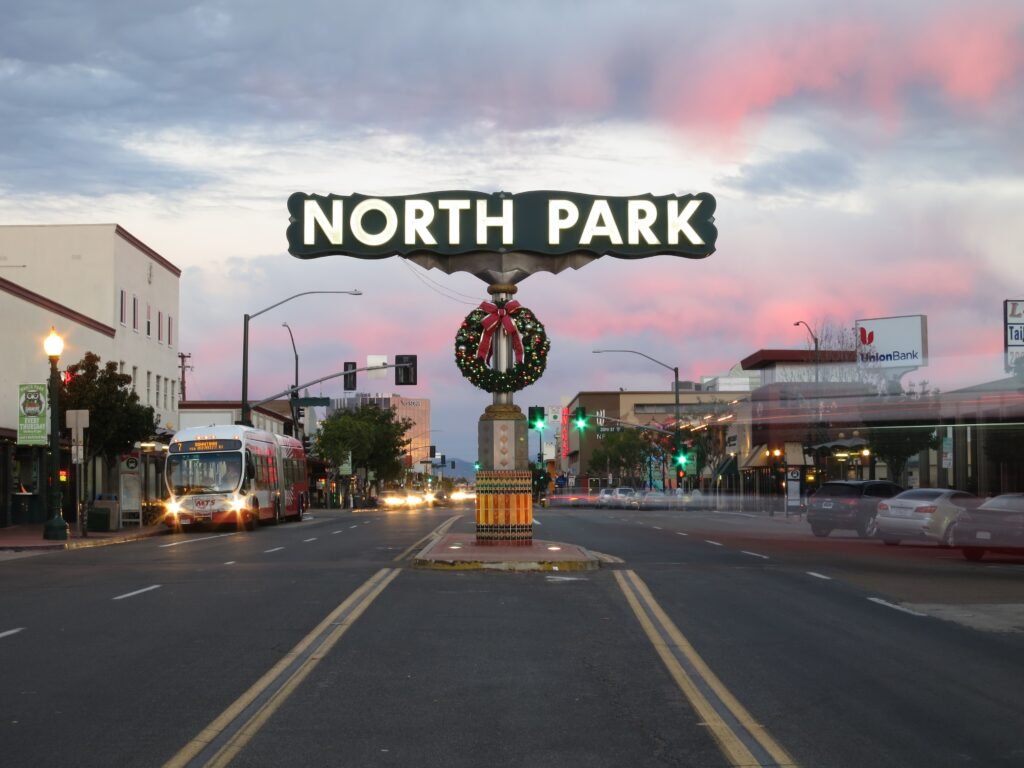
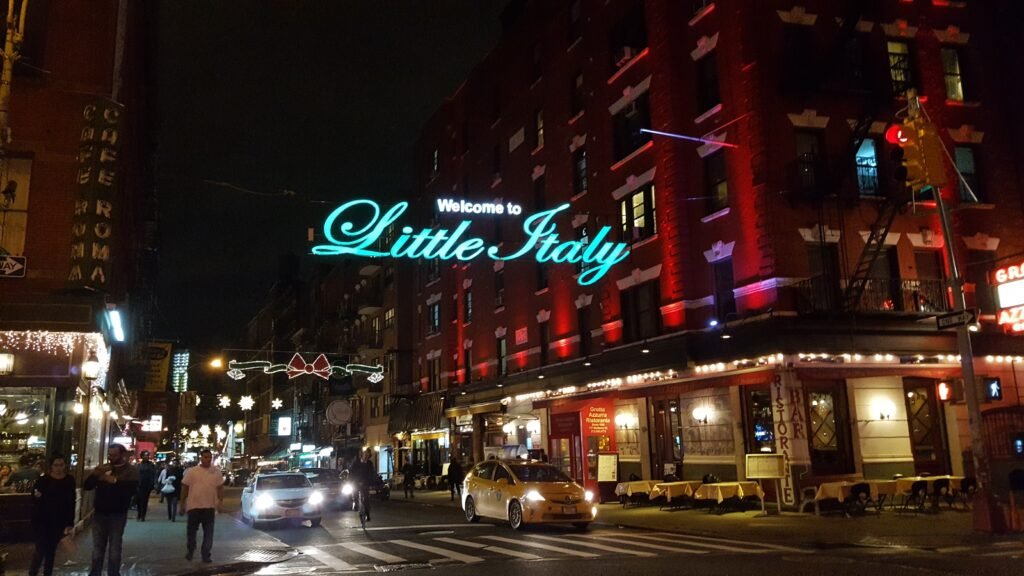
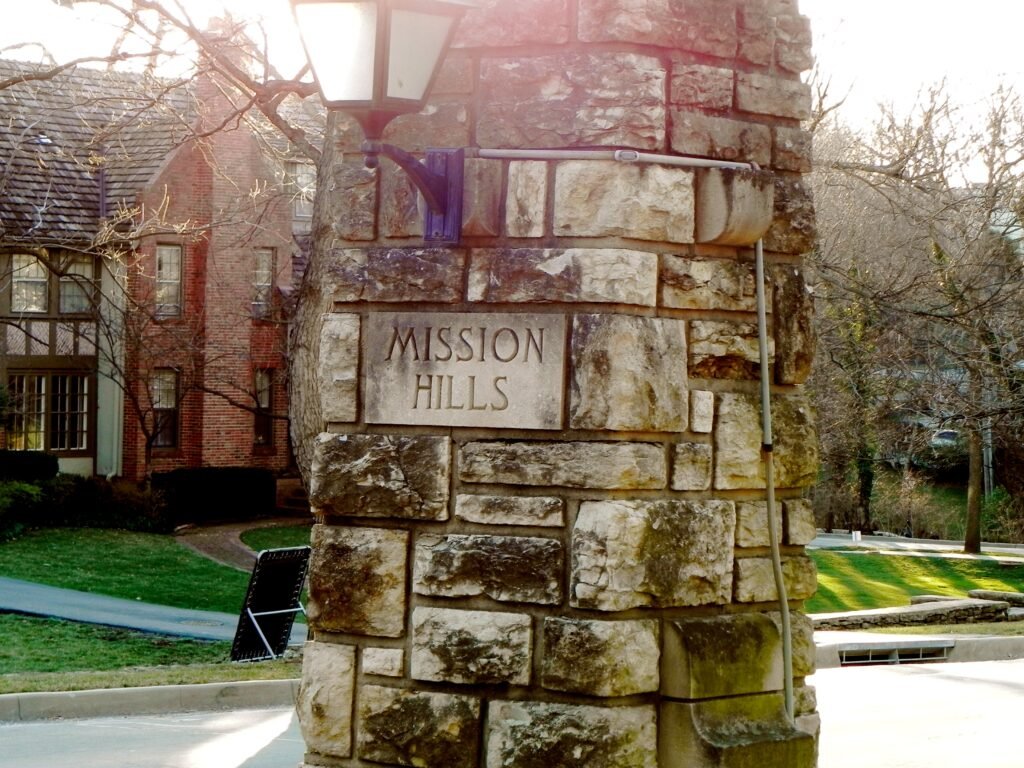
North Park, Mission Hills, Little Italy, and UTC remain some of the strongest choices for young professionals because they balance walkability, employment access, nightlife, restaurants, and central convenience.