Best-Areas-to-Live-in-San-Dieg
San Diego Neighborhood Guide

Best Areas to Live in San Diego: 2026 Neighborhood Guide

A lifestyle-first breakdown of San Diego’s best neighborhoods — by budget, commute, schools, safety, and long-term investment potential — so you can choose a place that fits your life, not just a zip code.
The best areas to live in San Diego depend less on rankings and more on what kind of life you actually want once the novelty wears off. Families usually end up happiest in places like Carmel Valley or Scripps Ranch because daily life simply runs smoother there. Buyers who want walkability and energy gravitate toward North Park or Little Italy. And if affordability matters more than showing off a zip code, Mira Mesa, Clairemont, and parts of South County still offer stronger long-term value than people expect.
A lot of people move to San Diego chasing an idea. The buyers who end up happiest long term usually buy based on lifestyle fit, commute reality, school quality, and financial breathing room instead.
If you’re trying to figure out where to live in San Diego California, here’s the breakdown by lifestyle, budget, safety, and long-term investment potential.

Best San Diego Neighborhoods by Lifestyle

Coastal & Luxury

Coastal & Luxury

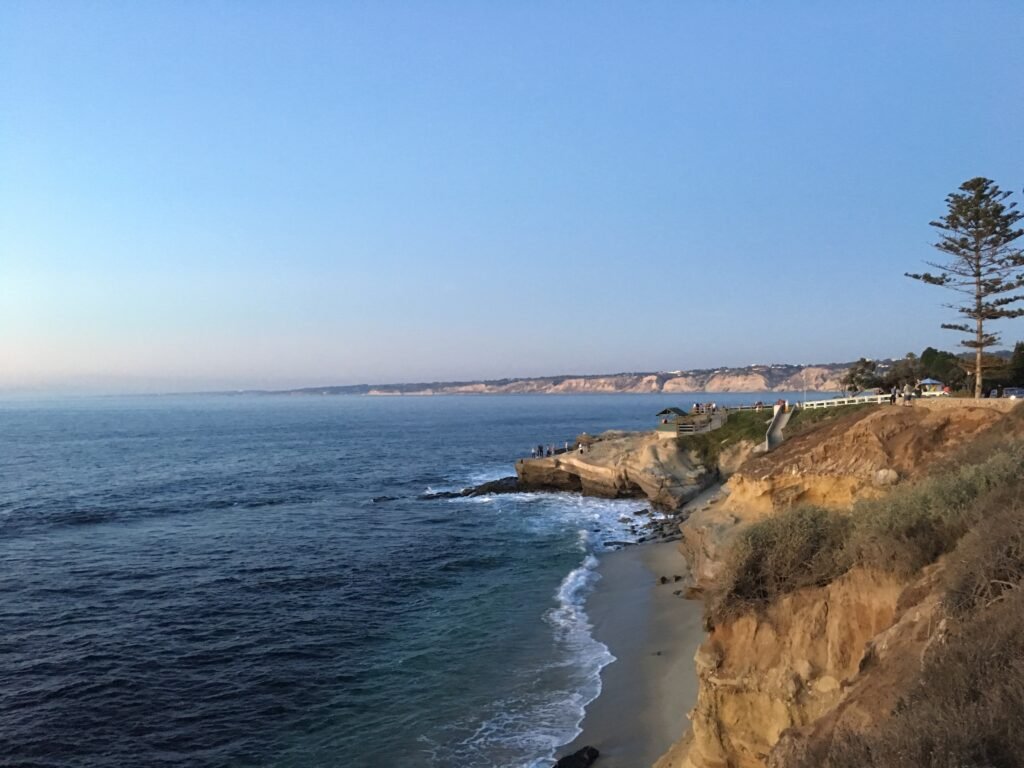
La Jolla → Luxury coastal living with long-term value protection

Ocean waves meeting rocky coastal cliffs with scenic shoreline views and a clear blue sky.
For buyers who want prestige, ocean views, and a hedge against market volatility.
San Diego’s crown jewel for buyers who want prestige, ocean views, and a hedge against market volatility. Even in slow markets, inventory scarcity keeps values resilient. You’re buying predictability as much as a postcode.

Coastal & Luxury

Del Mar → Quiet high-end beach community with extremely limited inventory

Vibrant sunset over a sandy beach with coastal cliffs, purple flowers, and an oceanfront train.
Slow coastal living, not status — and razor-thin inventory.
Del Mar is where buyers come for slow coastal living, not status-driven luxury. Owners hold on for years, inventory is razor-thin, and prices stay resilient precisely because supply never catches up to demand.

Coastal & Luxury

Coronado → Walkable coastal living with premium pricing

Aerial view of a coastal marina, city skyline, blue bay waters, and surrounding mountains.
Punches well above its square footage.
Walkable, beach-fronted, and community-driven, Coronado punches well above its square footage. Military families, retirees, and second-home buyers all compete here, keeping demand persistently strong.

Coastal & Luxury

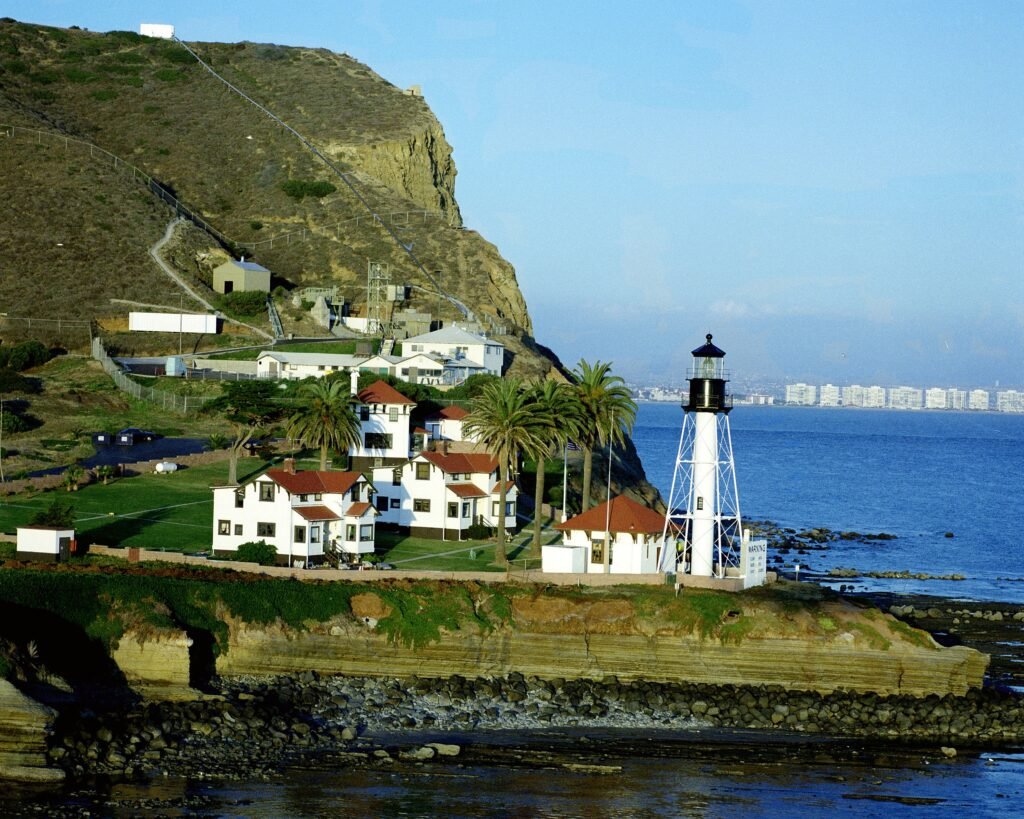
Point Loma → Coastal without the nonstop tourist energy

Historic lighthouse overlooking the ocean with coastal cliffs, palm trees, and seaside buildings.
Grounded and residential, not “spring break.”
Coastal access without the tourist noise, Point Loma feels grounded and residential where Pacific Beach feels like spring break. Buyers who land here for the long term rarely want to leave.

Coastal & Luxury

Family-Friendly

Carmel Valley → Top schools, newer homes, stable resale demand

Panoramic view of a green mountain valley with trees, rolling hills, and blue sky during golden hour.
Built for dual-income families who want friction removed from daily life.
Carmel Valley is built for dual-income families who want friction removed from daily life — newer homes, strong Del Mar Union schools, and easy access to biotech and tech corridors on the SR-56.

Family-Friendly

Scripps Ranch → Quiet suburban living with trails and larger homes

Wooden Scripps Ranch neighborhood sign beside a quiet road lined with tall trees and natural landscape.
Low turnover says it all.
Larger lots, mature trees, and a genuine sense of suburban quiet without feeling disconnected from the city. Low turnover says it all — families who land here don’t tend to leave.

Family-Friendly

Poway → Bigger lots and highly rated schools

Wide view of Lake Poway surrounded by rolling hills, dry mountain terrain, and calm blue water under a cloudy sky.
More home for the money — at the cost of commute.
Poway gives you more home for the money compared to coastal or central options — larger lots, nationally recognized schools, and a slower suburban tempo. The trade-off is a longer commute that can wear on you daily.

Family-Friendly

Tierrasanta → Central location with strong residential feel

Large statue of Jesus with open arms above palm trees and domed buildings under a clear blue sky.
Practical, central, and popular with military families.
Tierrasanta works particularly well for families wanting central access without fully sacrificing a suburban feel. Military families and long-term homeowners remain heavily represented there because the neighborhood feels practical rather than flashy.

Urban & Walkable

Urban & Walkable

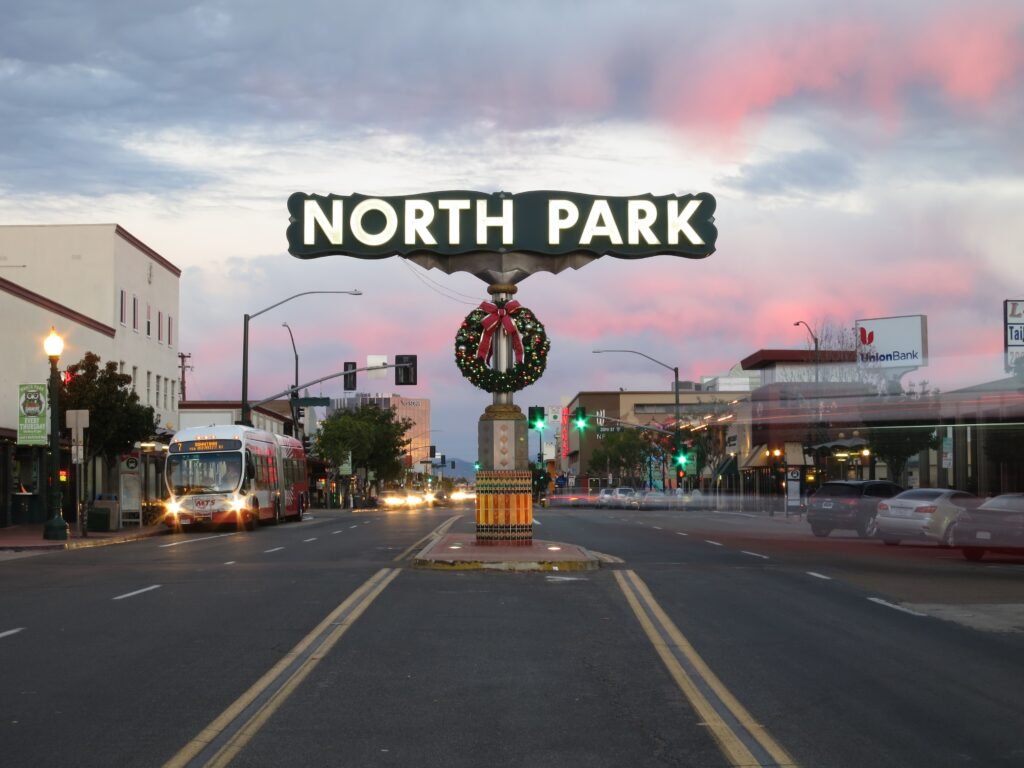
North Park → Restaurants, nightlife, younger professionals

Spend your whole week without driving across the county.
Illuminated North Park sign above a city street with traffic, buildings, and colorful evening clouds in San Diego.
North Park is the rare San Diego neighborhood where you can realistically spend your whole week without driving across the county — coffee shops, restaurants, bars, and groceries all within walking distance.

Urban & Walkable

South Park → Slower-paced walkability and historic homes

Nighttime view of a large “South Park” sign being dismantled in a parking lot, with city buildings and lights in the background.
Walkable, without the constant nightlife noise.
South Park attracts a slightly older and quieter buyer than North Park. Buyers here want walkability without constant nightlife noise — historic homes, local restaurants, and smaller streets give the neighborhood a more settled feel.

Urban & Walkable

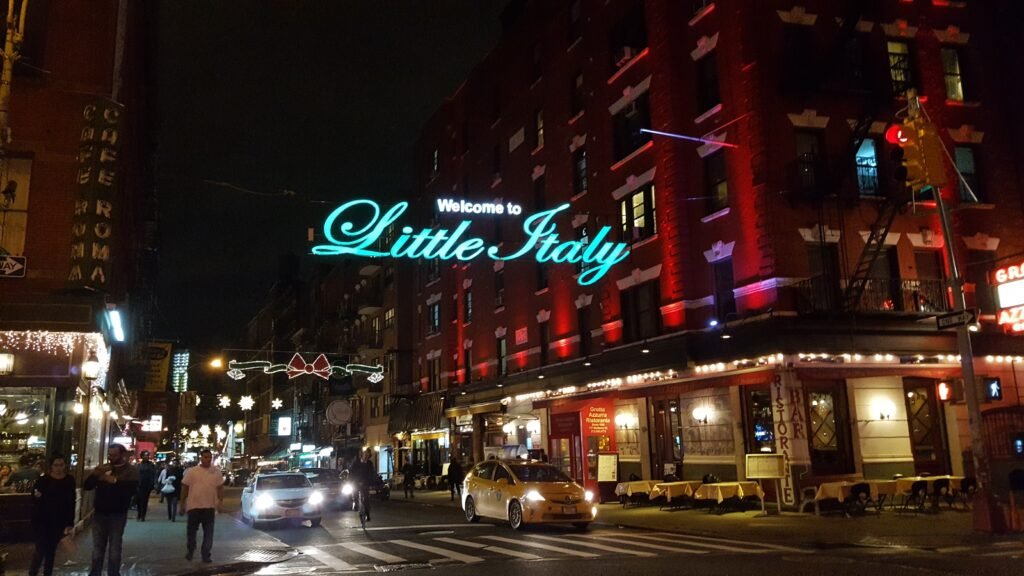
Little Italy → Downtown condo living done well

Night view of New York’s Little Italy with glowing neon signage, busy streets, yellow taxis, and illuminated restaurants.
Go in with realistic expectations on HOA fees and square footage.
Little Italy delivers on the downtown promise better than most urban cores in California — clean streets, walkable dining, and well-managed condo buildings. Just go in with realistic expectations about HOA fees and square footage.

Urban & Walkable

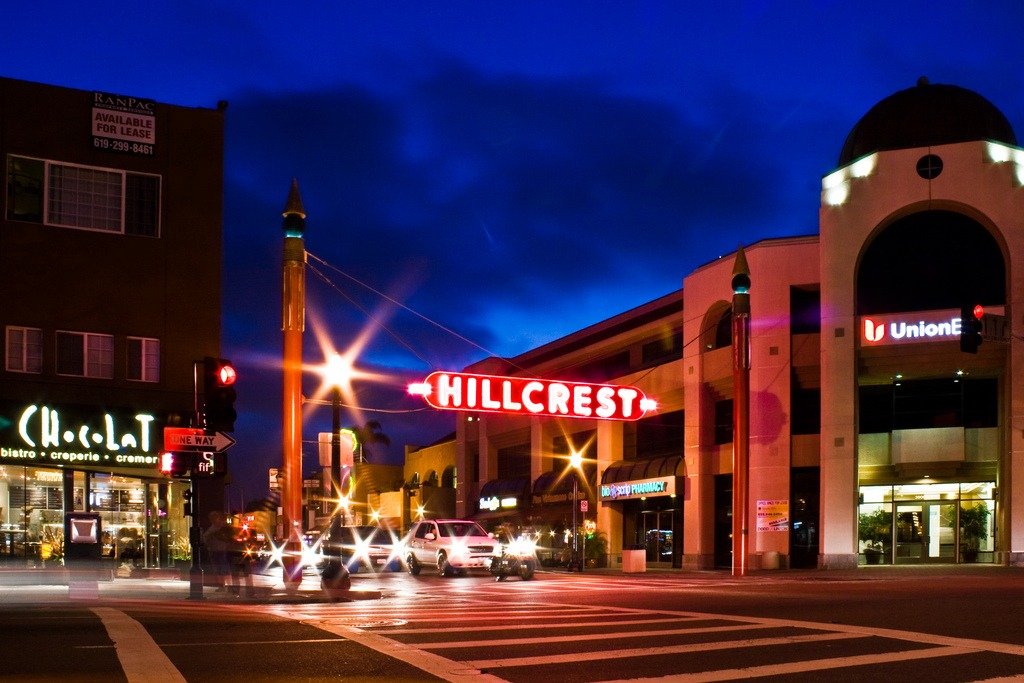
Hillcrest → Dense, energetic, central, highly walkable

Nighttime intersection in San Diego’s Hillcrest neighborhood with a glowing red Hillcrest sign, traffic lights, and passing cars.
Older housing stock and parking are the real trade-offs.
Hillcrest is as central as San Diego gets — Balboa Park on one side, Bankers Hill on the other, and a dense mix of coffee shops, bars, and independent restaurants in between. Older housing stock and parking are the real trade-offs.

Affordable Neighborhoods

Affordable

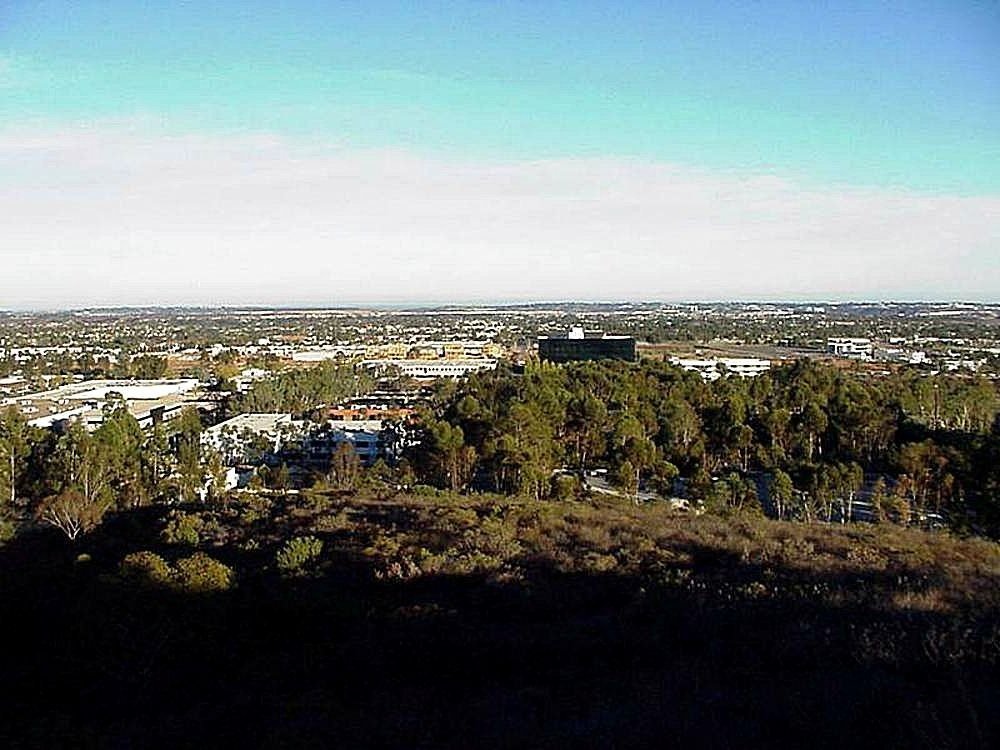
Mira Mesa → Strong value near biotech and tech jobs

Panoramic view of a suburban business district and wooded hills under a clear blue sky.
Practical long-term value without coastal premiums.
Mira Mesa consistently outperforms its reputation — proximity to the Sorrento Valley biotech corridor and strong demand from tech workers keeps values rising steadily. Practical long-term value without coastal premiums.

Affordable

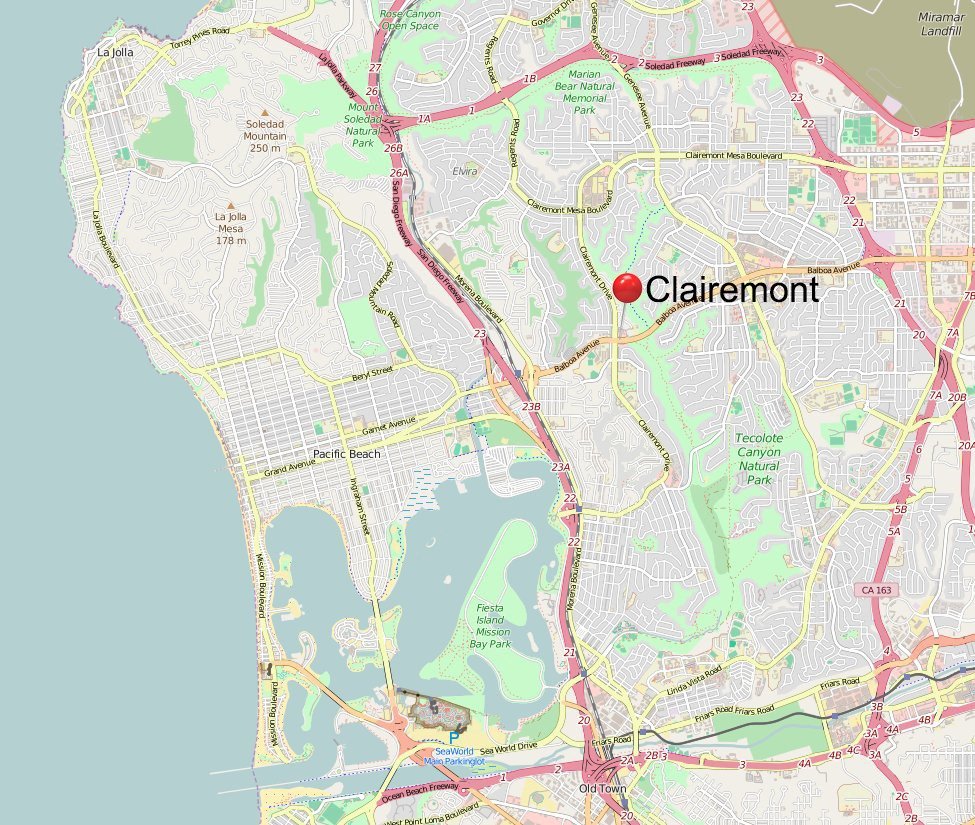
Clairemont → Central location without coastal pricing

Street map of San Diego highlighting the Clairemont neighborhood near Mission Bay and Pacific Beach.
A quiet appreciation play.
Clairemont sits at the center of San Diego’s map without the coastal price tag — and it’s steadily improving. Renovated homes are pushing values upward, making this a quiet appreciation play for buyers watching the long game.

Affordable

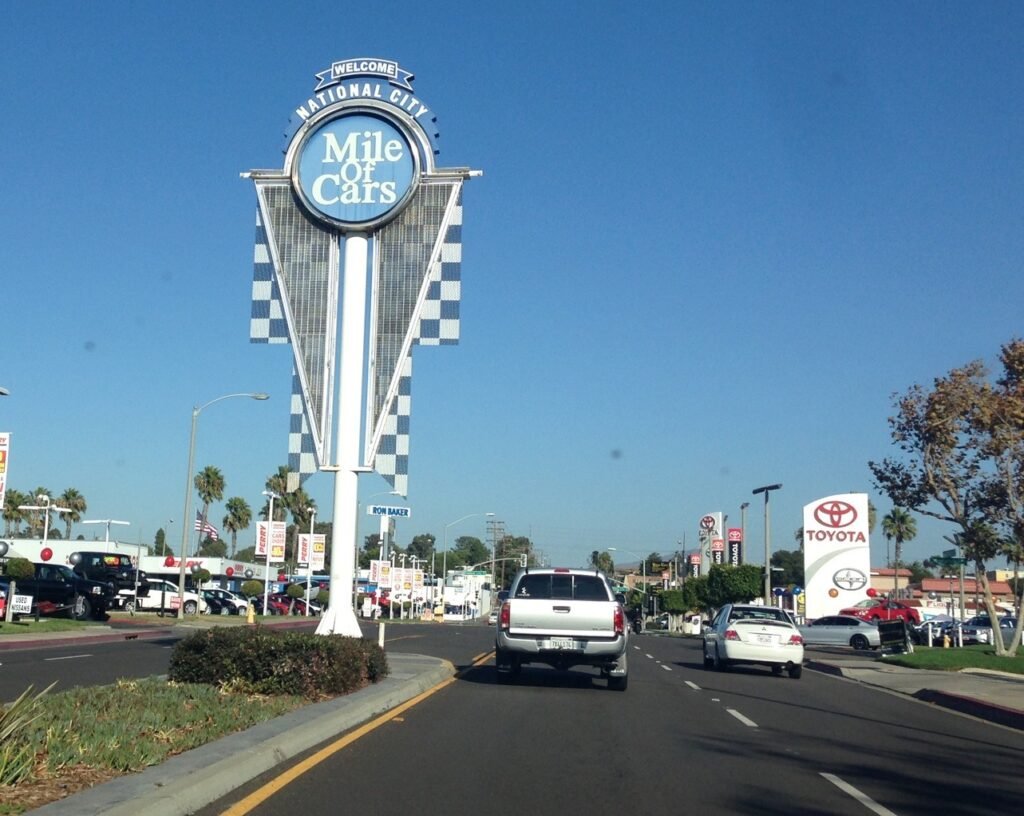
National City → More attainable entry point near downtown

Large “Mile of Cars” welcome sign along a busy road lined with car dealerships in National City, California under a clear blue sky.
Redevelopment has steadily improved buyer perception.
National City is the most attainable entry point for buyers who want downtown San Diego access without the pricing that comes with it. Redevelopment activity has steadily improved buyer perception over several years.

Affordable

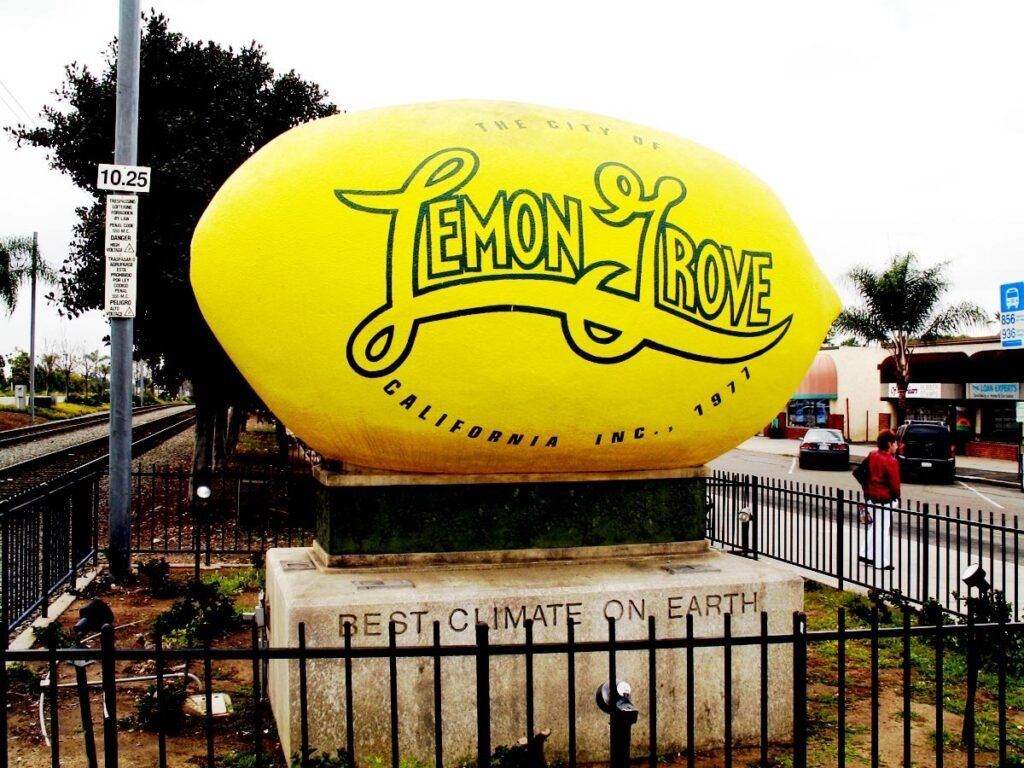
Lemon Grove → Better square footage for the money

Large lemon-shaped “Lemon Grove” landmark sign beside railroad tracks in Lemon Grove, California.
More home for the money — commute distance is the trade-off.
Lemon Grove continues attracting buyers prioritizing square footage and ownership access over trendier zip codes. Buyers usually gain more home for the money, though commute distance becomes a more serious factor.

Young Professionals

Young Professionals

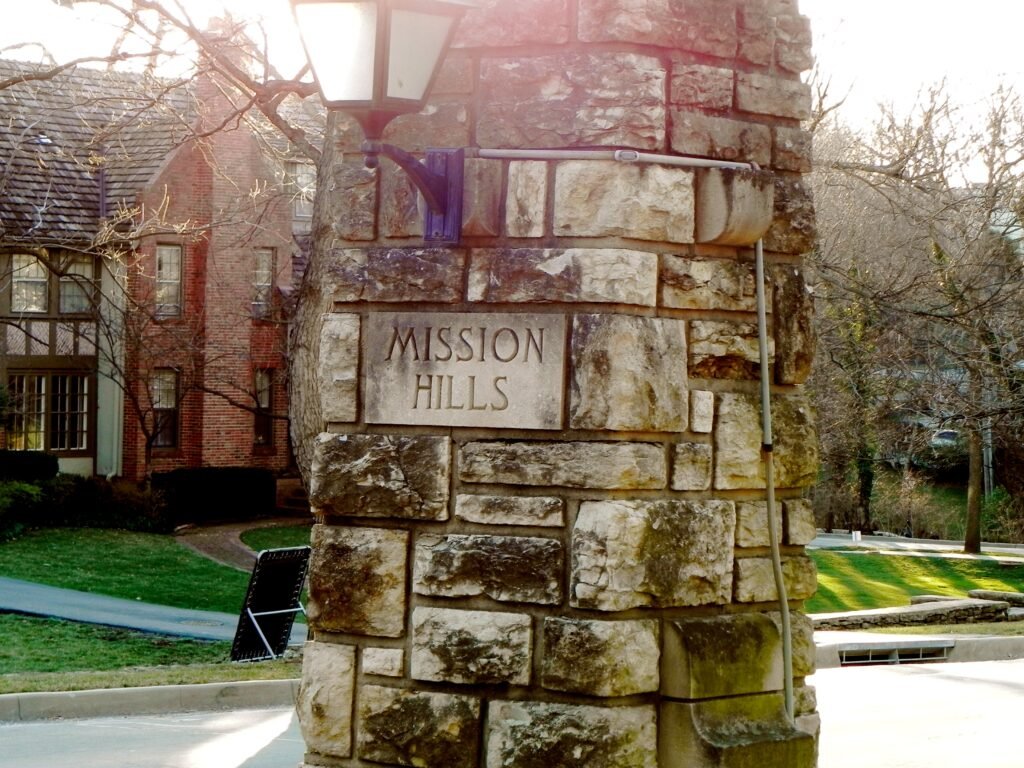
Mission Hills → Cleaner, quieter urban living

Stone entrance pillar with “Mission Hills” engraved on it beside a residential street and historic-style homes.
Central access and good restaurants, without giving up the quiet.
Mission Hills is where professionals land when they’ve outgrown Pacific Beach but still want central access and good restaurants nearby. It’s cleaner, quieter, and slightly more polished — without giving up city convenience.

Young Professionals

Pacific Beach → Social coastal lifestyle with nightlife

Crowded Pacific Beach shoreline in San Diego with rolling blue ocean waves, surfers, palm trees, and sunny coastal homes under a clear summer sky.
Nightlife noise is constant in some blocks; parking is brutal.
Pacific Beach is the 20s San Diego experience — beach access, bars on Garnet Ave, and a social energy that’s hard to replicate. Go in knowing: nightlife noise is constant in some blocks, parking is brutal, and short-term rental activity changes the vibe street by street.

Best Areas to Live in San Diego by Lifestyle

San Diego is not one housing market. It is a collection of completely different micro-markets that happen to share the same weather forecast.

Someone moving from Chicago and working remotely is going to prioritize entirely different things than a military family buying near Poway schools or an investor looking for long-term appreciation near redevelopment corridors. The key is understanding what daily life actually feels like in each area, not just what shows up in listing photos.

Best Coastal Neighborhoods in San Diego

La Jolla is where buyers land when they want prestige, coastline, and long-term insulation from market volatility. Even when the broader market softens, La Jolla tends to hold value better than most of the county because inventory stays constrained and demand never fully disappears. Buyers here are usually paying for predictability as much as ocean views.
The tradeoff is obvious. Homes are expensive, insurance costs are climbing, and even smaller properties can carry staggering maintenance costs. Buyers who stretch financially to get into La Jolla sometimes realize too late they bought the zip code but lost flexibility everywhere else.
Del Mar feels quieter and more established than La Jolla. Buyers here are usually looking for a slower coastal lifestyle rather than status-driven luxury. Inventory moves slowly because owners tend to stay put for years. That stability is part of why prices remain so resilient. The downside is that buyers have very little leverage because there simply are not many homes available.
Coronado attracts buyers who want walkability, beach access, and a neighborhood that still feels connected rather than fragmented. Military families, retirees, and second-home buyers continue driving demand. What surprises some buyers is how quickly small homes start pushing into luxury pricing simply because land is so limited.
Point Loma tends to attract buyers who want coastal access without feeling trapped inside a tourism machine. The neighborhood feels more residential and grounded than Pacific Beach or Mission Beach. Commute traffic into downtown can become frustrating, but buyers willing to tolerate that tradeoff often stay long term.
For buyers searching “what are the nicest areas to live in San Diego,” these neighborhoods consistently stay near the top because they combine coastline, scarcity, and long-term demand.

Best Urban and Walkable Neighborhoods in San Diego

North Park keeps attracting buyers because it still feels like people actually live there instead of just passing through it. The neighborhood works particularly well for younger professionals, creatives, and remote workers who want restaurants, nightlife, coffee shops, and walkability without paying coastal prices.
The biggest reason buyers stay in North Park long term is convenience. You can realistically spend most of your week without needing to drive across the county for basic life activities. In San Diego, that matters more than people realize at first.
South Park attracts a slightly older and quieter buyer than North Park. Buyers here usually want walkability without constant nightlife noise. Historic homes, local restaurants, and smaller streets give the neighborhood a more settled feel. Inventory stays tight because people who move here often do not want to leave.
Little Italy remains one of the strongest urban condo markets in San Diego because it delivers exactly what buyers expect from downtown living. Walkability is excellent, restaurants are genuinely good, and the neighborhood feels cleaner and more organized than many urban cores in California. The downside is HOA fees and limited living space. Buyers coming from suburban homes often underestimate how compact downtown condo living feels after the honeymoon phase ends.
Hillcrest continues attracting buyers who prioritize central location and energy over suburban comfort. Parking can become exhausting, and older housing stock requires realistic expectations, but buyers who genuinely want dense urban living tend to love it there.
For buyers searching the best area to live in San Diego for young professionals, these neighborhoods consistently outperform because they balance lifestyle access with actual day-to-day convenience.

Best Family-Friendly Neighborhoods in San Diego

Carmel Valley keeps attracting high-income families because it removes friction from daily life. Schools are strong, homes are newer, streets are organized, and resale demand remains stable even when the broader market slows. Buyers pay heavily for that predictability, but families planning to stay long term usually feel the premium is worth it.
The neighborhood also works well for dual-income households because commute access to major employment hubs is relatively manageable compared to more inland communities.
Scripps Ranch appeals to families who want a quieter residential setup without feeling isolated from the rest of San Diego. Parks, trails, and larger lots continue attracting long-term homeowners. Buyers here tend to prioritize stability over trendiness, which is one reason turnover remains relatively low.
Poway continues drawing families willing to trade commute distance for larger homes and stronger school districts. Buyers often gain more house for the money compared to coastal or central neighborhoods, though traffic into downtown and biotech corridors can become draining depending on work schedules.
Tierrasanta works particularly well for families wanting central access without fully sacrificing suburban feel. Military families and long-term homeowners remain heavily represented there because the neighborhood feels practical rather than flashy.
For parents searching the best neighborhoods in San Diego for families, these communities consistently stand out because they combine schools, safety, parks, and long-term ownership stability instead of just marketing aesthetics.

Best Neighborhoods in San Diego for Young Professionals

Mission Hills tends to attract professionals who want a cleaner and more polished version of urban San Diego living. Buyers here are usually a few years past the Pacific Beach phase but still want restaurants, nightlife access, and central convenience without constant noise and parking chaos.
University City, or UTC, remains one of the strongest choices for buyers working in biotech, healthcare, engineering, or the UCSD corridor. The neighborhood functions almost like San Diego’s career hub for younger professionals. Condo inventory remains competitive because demand from renters and buyers stays steady year-round.
Pacific Beach still attracts buyers in their 20s looking for beach access and social energy, but a lot of buyers romanticize PB without thinking about daily life. Parking becomes exhausting, nightlife noise is constant in some pockets, and short-term rental activity changes the neighborhood feel block by block.
Buyers who genuinely want an active social coastal lifestyle usually love Pacific Beach. Buyers who only like the idea of one often end up happier in Bird Rock, Point Loma, or Mission Hills.
For buyers searching the best places to live in San Diego in your 20s, these neighborhoods consistently dominate because they combine career access, social activity, and relatively manageable commute patterns.

Best San Diego Neighborhoods Near the Beach

Ocean Beach still feels like old San Diego in the best possible way. The neighborhood attracts buyers who value personality over polish. Local shops, surf culture, older homes, and a more relaxed atmosphere continue defining OB even as prices climb. Buyers here tend to care less about perfection and more about lifestyle authenticity.

Pacific Beach is younger, louder, and more nightlife-driven. Buyers either love PB immediately or burn out quickly. There usually is not much middle ground.
Mission Beach works best for buyers who want direct beach access and intense walkability. Living there feels almost like permanent vacation mode, but the density, parking issues, and tourism traffic can become exhausting for full-time residents.
Bird Rock attracts buyers who want coastal living without constant activity surrounding them. The neighborhood feels quieter, more boutique, and slightly more insulated than nearby beach communities. Buyers who outgrow Pacific Beach often end up looking seriously at Bird Rock.
For buyers searching the best places to live in San Diego near the beach, understanding the personality difference between these neighborhoods matters far more than simply choosing the closest property to the water.

Safest Neighborhoods in San Diego

The safest neighborhoods in San Diego are consistently areas like Rancho Bernardo, Carmel Valley, Poway, Del Mar, and Scripps Ranch based on crime index trends, suburban planning, and long-term community investment.
Rancho Bernardo continues attracting retirees and families partly because it feels quieter and more insulated than many central San Diego neighborhoods. Lower-density housing, master-planned sections, and long-term ownership patterns all contribute to its reputation for stability.
Carmel Valley remains one of the strongest choices for buyers prioritizing both schools and safety. The area benefits from newer development, strong community investment, and consistently high buyer demand from families planning to stay long term.
Poway has maintained its reputation for decades because buyers know exactly what they are getting: strong schools, larger homes, quieter streets, and a more suburban environment overall. Buyers looking for nightlife usually look elsewhere. Families often see that as a positive.
Del Mar consistently ranks highly because of both low density and substantial long-term investment throughout the community. Even though it is one of the wealthier coastal markets, buyers still need to research specific streets and traffic corridors because conditions vary more than broad rankings suggest.
Scripps Ranch continues performing well because of its residential layout, parks, trails, and quieter overall atmosphere. Buyers wanting a calmer pace without leaving central San Diego entirely often land there.
That said, buyers should always research individual pockets instead of relying purely on neighborhood-wide reputation. A single zip code can change dramatically block by block.

Most Affordable Neighborhoods in San Diego

The reality of affordable neighborhoods in San Diego is that affordability has become relative. Buyers are no longer asking, “What’s cheap?” They are asking, “Where can I still buy without feeling financially trapped?”
Mira Mesa continues outperforming expectations because of its location near major biotech and tech employment corridors. Buyers get relatively strong value compared to neighboring communities, and demand stays consistent from both owner-occupants and investors. Homes there rarely feel “undervalued,” but they often feel practical.
Clairemont remains one of the better balance plays in San Diego. Buyers get central location access without fully paying coastal premiums. The neighborhood has steadily improved over the last decade, and renovated homes continue pushing values upward.
Encanto and City Heights attract buyers looking for lower entry pricing closer to the urban core. These neighborhoods vary significantly block by block, so local guidance matters more here than in highly uniform suburban communities.
National City continues pulling in first-time buyers who want access to downtown employment while staying below many central San Diego price points. Community investment and redevelopment activity have steadily improved buyer perception over the last several years.
Lemon Grove and the Rancho area in San Diego continue attracting buyers prioritizing square footage and ownership access over trendier zip codes. Buyers usually gain more home for the money, though commute distance becomes a more serious factor.
If you’re buying in one of these areas, it also helps to understand which neighborhoods are quietly appreciating instead of simply following the loudest market trends.

Best Neighborhoods in San Diego to Buy a House in 2026

The smartest buyers in 2026 are not just asking where they want to live. They are asking which neighborhoods still have room to grow.
Mira Mesa continues standing out because of its proximity to biotech employment hubs, stable buyer demand, and relatively balanced price-per-square-foot value compared to neighboring communities. Buyers there are usually thinking long term rather than chasing hype.
Kearny Mesa keeps gaining attention because infrastructure investment and redevelopment activity continue pushing the area toward more mixed residential and commercial growth. Buyers looking five to ten years ahead are paying attention there for a reason.
Logan Heights and Barrio Logan remain more speculative plays, but buyer interest keeps growing because pricing still sits below many surrounding neighborhoods while redevelopment activity steadily increases. These are not “safe” investment neighborhoods in the traditional sense, but they continue attracting buyers willing to tolerate more uncertainty for stronger upside potential.
Chula Vista, particularly Otay Ranch, continues performing well because buyers still gain relatively newer homes and more square footage there compared to many central neighborhoods. Families priced out of coastal and North County markets continue driving long-term demand.
For buyers searching the best neighborhoods in San Diego to buy a house, the strongest long-term opportunities are usually neighborhoods balancing:
  • Employment access
  • Improving infrastructure
  • Stable buyer demand
  • Relative affordability
  • Long-term redevelopment potential
Ready to search listings in these areas? Explore homes for sale in San Diego and compare neighborhoods based on pricing, inventory, commute patterns, and long-term value.

Final Thoughts

San Diego has a neighborhood for almost every kind of buyer, but no neighborhood gives you everything at once. Buyers usually end up happiest when they understand which tradeoffs actually matter to them before they start chasing listings.
Some neighborhoods buy you coastline. Others buy you schools, commute convenience, walkability, quieter streets, or long-term appreciation potential. The smartest move is figuring out which version of San Diego actually fits your day-to-day life instead of buying into a fantasy version of the city.
And when you’re ready to narrow down the search, comparing homes for sale in San Diego with someone who understands how these neighborhoods behave long term makes the process a lot easier.

Frequently Asked Questions

What are the nicest areas in San Diego to live in?

The nicest areas to live in San Diego are generally considered La Jolla, Del Mar, Coronado, and Point Loma because they combine coastal access, strong property values, and long-term buyer demand.

What is the safest part of San Diego?

The safest neighborhoods in San Diego are consistently Rancho Bernardo, Carmel Valley, Poway, Del Mar, and Scripps Ranch based on crime index trends and long-term residential stability.

What are the "four corners of death" in San Diego?

The “four corners of death” refers to several historically high-crime intersections discussed in older San Diego crime reporting. These are legacy labels rather than formal designations, and neighborhood conditions can change substantially over time.

Where should I live in San Diego as a young professional?

North Park, Mission Hills, Little Italy, and UTC remain some of the strongest choices for young professionals because they balance walkability, employment access, nightlife, restaurants, and central convenience.

Email Us Contact Us Call Now

Contact us

Call us for a free, no-obligation discussion about what is best for you and your family, whether you are buying, selling, or renting an investment property.